
Why are my workshops not selling? 9 Common reasons creative workshops don’t fill - and how to fix that
If your creative workshops aren’t filling as easily as they used to, you are not alone. Over the past few years, something has changed: There are now far more workshops available than ever before.
Many creatives have added teaching as an additional income stream. Venues and adult education offer many more creative training. Teaching has become very popular and your potential participants have a lot of choice!
This means that simply being a good creative (or even a good teacher) is no longer enough to guarantee creative workshop bookings.
But the good news is this: when workshops don’t sell, it’s rarely because your teaching isn’t good enough.
Usually, there are practical reasons behind slow bookings. And once you understand them, you can fix them.
Want more marketing tips to get bookings for your creative workshops? Then check out my book ‘Teaching Creative Workshops in Person & Online’.
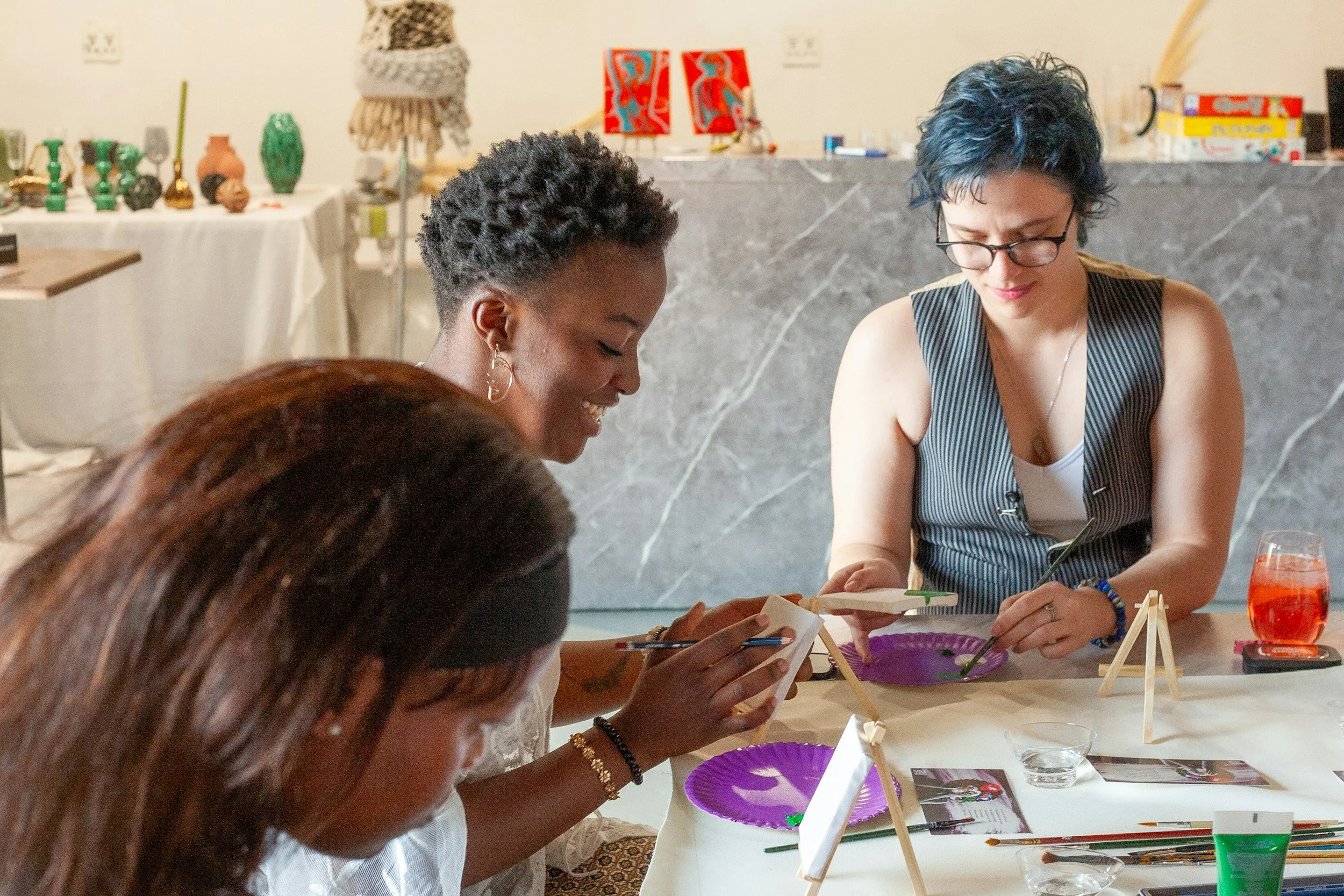
Here are the 9 most common reasons why your creative workshops don’t sell, and what you can do differently:
1. There Is More Competition — So You Need to Stand Out
Teaching has become a very popular income stream for many creatives, and it’s become much more competitive to teach. If your workshops look too similar to others, people will be more likely to choose based on convenience or price.
Ask yourself honestly:
Why should someone choose my workshop?
What makes my teaching or experience different?
What makes this day memorable?
Standing out is not about being louder or cheaper. It’s about offering something distinctive.
Fix: Define Your Difference
What would make your creative workshops stand out? This could be:
You! You are known for what you do - either your creative techniques, reputation or your teaching approach. You have a recognisable creative style. Are you communicating ‘that’ in the best possible way? Through images, quotes, or your sales pages?
It’s not just about what they do during your workshop, or what they can take home, but about creating an experience: How do you make clients feel? Are you especially supportive? Do you focus on high end materials and organise workshops in a wonderful venue, or do you cater for quiet and introvert participants especially? Dare to be much more specific about who you want to teach and what makes you different.
Don’t forget the catering and the venue … these can really contribute to the ‘perceived value’ of what you offer and make a real difference.
For example:
Instead of a workshop title such as “Lino Printing Workshop”, use instead: “Create Bold Botanical Prints Inspired by Local Landscapes — A Relaxed Saturday of Printing & Creative Escape.”
Sell the experience, not just the technique.
2. Dates, Locations & Availability Work Against You
Sometimes workshops fail simply because:
The date clashes with holidays or events
Parking is difficult or the venue is hard to reach by public transport
Participants prefer weekend or daytime options
Or venues are only available on awkward dates.
Fix: Choose your Dates & venue carefully
Deciding when you teach can make a huge difference to the number of people you can attract, but also the type of people you can attract. For example: Tuesday morning classes will attract a very different crowd than Friday evening workshops!
Does your timing match the kind of client you want to attract?
Look especially at:
School holidays or sessions that start before 10am or finish after 3pm will make it harder for (grand)parents to join
Local events: What else is happening locally? Are you competing with other events?
Seasonal busy periods: Many great venues will be booked on Fridays and weekend days due to the summer wedding season, and many people have got a lot on during December.
Are your venue & location adding value to your workshop? A special venue or an easy to access city might make it more appealing to participants, and be worth a bit more money. It’s all part of creating a special experience!
Travel accessibility: Is it easy to get to? Is it easy & safe to park? What about participants with a disability?
Weather considerations
For example, January workshops often sell well because people want to learn something new at the start of the new year. August may be harder due to holidays. And you might want to avoid September and June too if you cater for nearly-retired participants as they are often on holiday then!
The right workshop at the wrong time will struggle to get bookings.
3. Build Trust & Credibility Over Time
When someone books a workshop, they invest money and their precious free time.
If they don’t know you as a teacher, they hesitate. Teaching is a service and therefore intangible. You need to build your ‘know-like-trust’ to get more bookings.
Many teachers expect workshops to sell immediately. But reputation builds gradually.
Fix: Show & share your Teaching Experience
Improve your profile, credibility & trust by showing proof:
Include how long you have been a professional creative and have been teaching
On your ‘about me’ page or social media biog include any qualifications, venues or organisations that you have worked with as a teacher (logos can work very well)
Photos of past workshops, including work in progress, the venue, and happy clients with their work at the end
Testimonials and 5-star reviews from previous participants
Let your potential participants imagine themselves there. Confidence grows when participants see others enjoying your teaching.
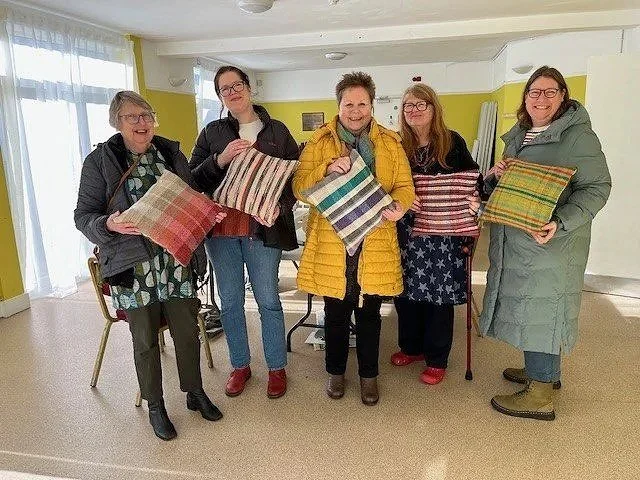
Happy clients after a ‘Make A Cushion In A Day’ workshop by textile artist Angie Parker
4. you Start marketing Too Late
This is one of the most common problems.
Creative workshops are often announced a few weeks before they will take place. But people’s calendars are already full. Participants often plan leisure time months ahead - especially if they take place over a weekend.
Fix: Promote Earlier Than Feels Comfortable
A useful timeline:
8–10 weeks ahead: Announce half-day workshop
6 weeks: Reminder
4 weeks: Share examples
2 weeks: Final spaces reminder
last week: Last call
Early marketing reduces stress later.
And from my own experience of marketing our workshops …
“We get nearly 40% of our bookings from our last minute emails. People often book late and need a last minute reminder.”
(Although this might be slightly different for online professional development workshops than for in person creative workshops, but the lesson still is: those last minute marketing emails really encourage people to book NOW.)
5. Your Workshop Isn’t Easy to Find Online
One of the most important marketing tools you need to use when promoting your workshops is SEO or keywords. Especially if you want to be found by new clients.
But many creative workshops are invisible online, because their titles are too generic. This sounds contradictory, but being more niche will attract actually more potential new clients!
Your potential new students will be searching online, and their search is very often very location specific. For example they might search for: “pottery workshop near me”; “silver jewellery workshop Brighton”; “textile mending workshop Edinburgh”
If your creative workshop title and sales page isn’t optimised for local or niche keywords, then it won’t appear in their search. A missed opportunity!
Fix: Improve Basic SEO
Make sure your workshop title and sale page includes:
What is it? Include techniques, creative discipline (e.g. ceramics, linocut, ringmaking)
Location
Date or season, length e.g. 6-week evening course, or Halloween craft workshop
The words “Workshop”, “Course”, “Class”
Skill level e.g. beginners, teenagers
Niche words or jargon if you provide specialist courses e.g. ‘Japanese textile printing techniques’, but also ‘Katazome’
An example of a keyword-rich workshop title: “Beginner Silver Ring Making Workshop in Bristol”
Also list your workshops on:
Event platforms such as Eventbrite, Facebook, LinkedIn and www.craftcourses.com
Venue websites
Local listings
Visibility matters to get seen by new audiences. Especially for local creative beginner workshops.
6. You Focus too much on Technique, Instead of Motivations
Many workshop descriptions and titles focus too much on the technique and tools, but not why someone would attend.
People often book workshops because they want:
A special birthday experience
Time with a friend or family member
A creative day out
A bit of ‘me’ time
A meaningful gift experience
Fix: Sell the Experience
Include in your descriptions the occasions and the feeling of your teaching, not just what you teach but also why:
Perfect 50th birthday gift
Ideal mother & daughter day
Alternative hen party
Relaxing personal time
Especially at the lower-end of the market and at the beginners level people are buying experiences, not just technical skills. Give them ideas and use gift and creative experience-related keywords in your descriptions.

Why do people really sign up to your creative workshops? What do they ‘get’?
7. You ignore your previous clients
Many creatives constantly look for new clients or participants, instead of welcoming back previous ones. Repeat participants already know-like-trust you, often will book sooner, bring their friends or recommend you, and are more likely to join a more expensive course too.
Repeat students are much easier to sell to, and they make your teaching business profitable!
Fix: Stay in touch
Instead of selling one-off workshops, start building longer term relationships with your ideal students. Creating student journeys for participants who want to return.
And after your training:
Send thank-you emails with additional follow up information. Finish a fantastic customer care experience by email.
Whenever you are launching a new range of creative training ensure that your previous clients are on your email list, and let them be the first to hear about your upcoming training.
Invite them to next-level workshops. By offering a ‘student journey’ and by segmenting your email list you can personalise your emails to previous students and invite them to return.
Build a community and continuity, not one-off workshops.
Have you got my book ‘Teaching Creative Workshops in Person & Online’? Then check out p. 182 - 183 for more practical marketing ideas to get repeat clients to sell your training.
8. No Emergency Plan When Bookings Are Slow
Every teacher eventually faces a slow booking workshop. Cancelling workshops is discouraging and costly.
Fix: Have a Last-Minute Rescue Plan
Have you got a system in place that alerts you say two weeks prior to a workshop if bookings are low? You can then do some last minute marketing to get more workshop bookings:
Contact past participants who might be interested in this follow on session
Ask existing bookings if they would like to bring a friend
Share a final call on social media, focusing on ‘last ticket for next weekend’s workshop’
Collaborate with your venue’s mailing lists, or ask them to share on social media.
Even filling a few extra places can make your workshops financially viable. Great teachers plan rescue options calmly in advance.
9. your Booking process Is too Complicated
If booking involves emails, delays, or unclear payment, people drop out. Today’s customers are spoilt and expect easy booking.
And yes, even your booking system is part of the ‘know-like-trust’ so if it’s too difficult or if potential clients do not trust your website or payment options then they won’t book. Even if they have your workshop in their cart already!
Fix: Simplify your Booking process
Use:
Trusted online booking systems e.g. on your own website or through online market places for creative workshops such as Eventbrite.com, craftcourses.com or classbento.co.uk
Instant payment confirmation
Clear cancellation terms
Transparency and fewer steps mean more confident bookings.
Final Thought: Workshops Rarely Fail TO SELL Because of your Teaching
In almost every case, workshop challenges relate to clarity, marketing, visibility, or planning - not your teaching quality.
Teaching workshops is a skill that grows with experience.
Each workshop teaches you something new too.
If bookings are slow, don’t panic.
Review what can be improved, make small changes, and try again.
Workshops often become one of the most rewarding parts of creative businesses - financially and personally.
And with thoughtful planning, yours can too.
get into action Questions
Before planning your next workshop, ask:
What makes my workshop stand out? Make that super clear in your description.
Am I promoting early enough?
Is booking easy?
Do potential participants ‘know, like and trust’ me as a teacher yet?
Small improvements make big differences over time.
And sometimes, all it takes is one well-run workshop to start building momentum.
